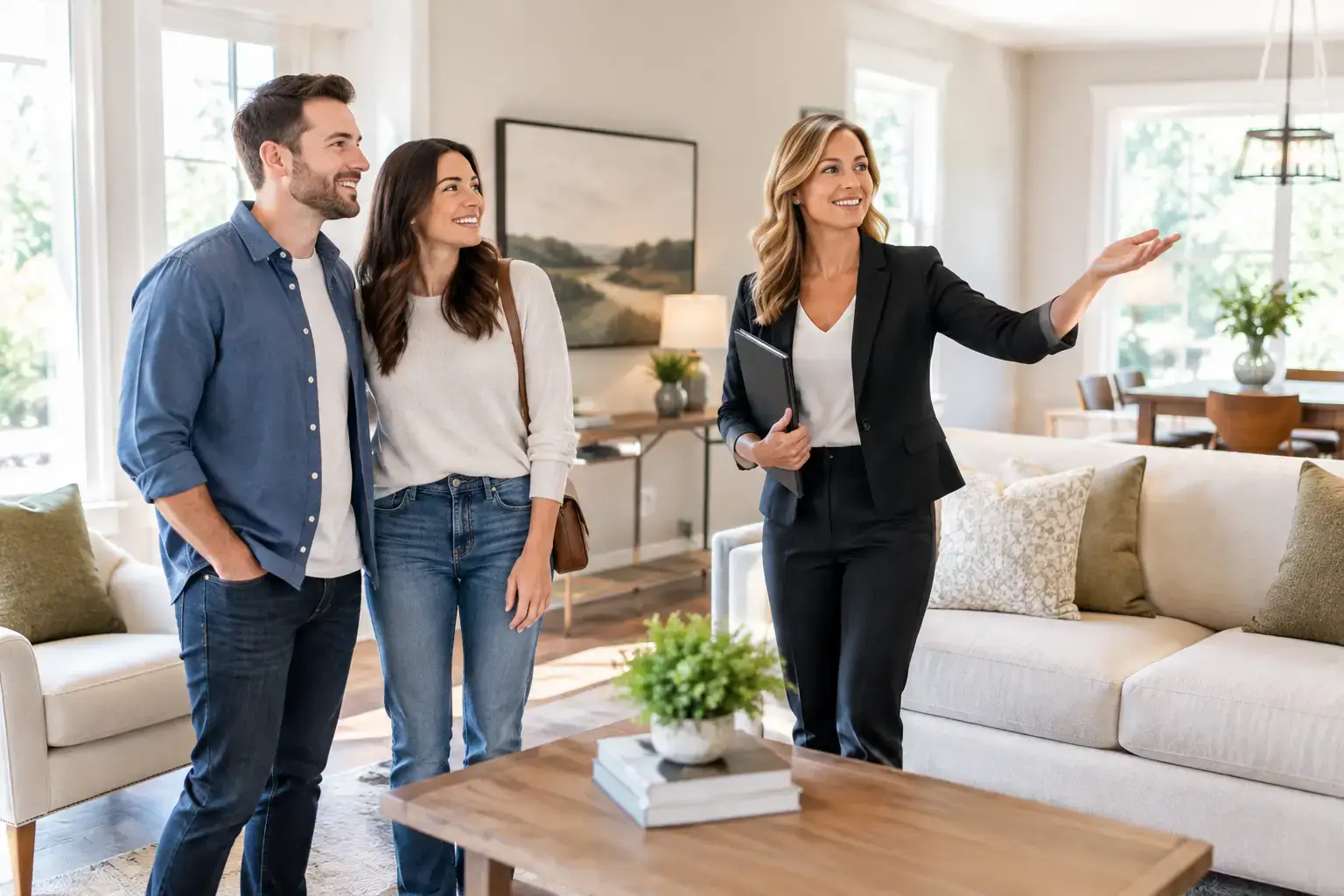

A buyer may spend only a few moments forming an impression as they step through the front door. They notice the light in the hall, whether there is somewhere to put a coat, the proportion of the rooms and, perhaps less consciously, how the property makes them feel. Effective home staging is not about disguising a house or filling it with fashionable accessories. It is about allowing its best features, layout and potential to be understood quickly and confidently.
For sellers, that distinction matters. A well-presented home can create a stronger emotional connection in photographs, on video and during viewings. It can also reduce the small distractions that cause buyers to question whether a property has been cared for. The aim is considered presentation, not perfection at any cost.
What home staging really achieves
Home staging gives each room a clear purpose and helps buyers picture their own lives there. A spare bedroom that has become a storage space may be entirely useful to its owner, but it can be difficult for a viewer to judge its scale or imagine it as a child’s room, guest room or study. Clearing excess belongings and presenting it simply makes the opportunity easier to see.
This is particularly valuable where a property has distinctive character. Period homes in Bridge of Allan, Dunblane or Linlithgow may have generous ceiling heights, original detailing and elegant reception rooms, yet those qualities can be lost if furniture is too large, windows are obscured or a room feels overly busy. Conversely, a modern flat can benefit from a carefully arranged living area that demonstrates how the space works day to day.
Staging also supports professional marketing. Photography captures what is visible, but it cannot always convey how a room flows, where the afternoon light falls or how calm a home feels when it is orderly and welcoming. Thoughtful preparation gives the marketing material a better starting point and helps viewing appointments build on that first impression.
Start with how buyers will experience the property
The most useful way to approach home staging is to walk through the property as a first-time visitor. Begin at the pavement or drive, continue through the entrance and follow the natural route through the principal rooms and garden. Look for interruptions to the experience: an overgrown path, a crowded porch, a hallway used as a dumping ground or doors that do not open freely.
Kerb appeal need not mean a costly redesign. A clean entrance, tidy bins, a swept path and healthy-looking planting can make a marked difference. In Scotland, where viewings can take place in rain, low winter light or muddy conditions, practical details are part of the welcome. An outdoor light that works, a clean doormat and a place to leave wet shoes all suggest a home that is easy to live in.
Inside, focus first on the rooms that shape a buyer’s decision: the entrance, kitchen, main living space, principal bedroom, bathroom and outdoor area. Buyers do not expect every room to look like a show home. They do want to understand the property without having to look past clutter, unfinished jobs or furniture that makes a room appear smaller than it is.
Edit before you decorate
Many sellers assume staging begins with buying cushions or repainting several rooms. Usually, the most effective first step is editing. Remove items that interrupt sightlines, cover useful surfaces or compete with the architecture. This includes excessive small furniture, personal paperwork, overflowing open shelving and belongings stored in corners.
Editing is not the same as stripping a home of personality. A few books, a well-chosen artwork or a favourite ceramic piece can add warmth and a sense of care. The question is whether each item helps a buyer appreciate the room. If it does not, pack it away for the move.
Neutral does not have to mean bland. A restrained palette often photographs well and broadens appeal, but homes with strong design credentials may suit a deeper wall colour or a more individual scheme. It depends on the property, its likely buyer and the quality of the finish. If a bold room feels intentional, well-maintained and in keeping with the house, there may be no benefit in repainting it beige.
What is harder to overlook are tired surfaces and minor maintenance issues. Scuffed paintwork around a hall, loose handles, cracked sealant, a dripping tap or a failed lightbulb can create an impression out of proportion to the cost of putting them right. Addressing these details is often more valuable than adding decorative extras.
Give every room a credible role
Buyers respond well when the use of each space is clear. This is especially true in homes with flexible accommodation, converted lofts, garden rooms or generous landings. A room used for occasional storage can be difficult to interpret; a simple guest bedroom, reading room or study is immediately legible.
There is a balance to strike. Avoid forcing a function that the room cannot realistically support. A very small box room does not need a full double bed squeezed into it simply to call it a bedroom. A compact desk, good lighting and sensible storage may demonstrate it more honestly as a home office or nursery. Clear presentation should build trust, rather than create expectations a buyer will later find misleading.
In open-plan spaces, use furniture to show distinct zones. A rug, dining table or occasional chair can help define where people would relax, eat or work without creating barriers. Keep circulation routes open, particularly around doors, fireplaces and large windows. The eye should travel easily through the room.
Light, temperature and atmosphere matter
A viewing is a sensory experience. Before appointments, open curtains and blinds fully, clean the glass where needed and switch on lamps in darker corners. Layered lighting is more flattering than one harsh ceiling fitting, particularly in hallways, bathrooms and north-facing rooms.
Comfort also matters. A home should feel aired, fresh and suitably warm, without being overly heated. Strong fragrances can be distracting and may make buyers wonder what they are intended to conceal. Fresh air, clean textiles and a quietly maintained atmosphere are usually enough.
For occupied homes, everyday life still needs to happen. Families, pets and home working bring practical constraints. The answer is not to make the property feel sterile, but to develop a simple viewing routine: clear kitchen worktops, put away laundry, open up key rooms and ensure pet items are discreetly stored where possible. Small preparations can make viewings less stressful for everyone.
When professional help is worth considering
Not every property requires a full staging service. For many lived-in homes, professional advice, careful decluttering and excellent photography will be sufficient. However, vacant homes, premium properties, unusually configured spaces and homes being marketed to an audience beyond the local area can benefit from a more curated approach.
Professional staging can be particularly useful where empty rooms feel smaller than they are or where buyers may struggle to understand how a period drawing room, large open-plan kitchen or secondary reception space could be furnished. Quality furniture hire, styling and lighting can give the property scale and coherence in imagery as well as in person.
The decision should be proportionate to the home, its presentation needs and the marketing strategy. Halliday Homes considers how each property should be positioned before photography and launch, because the right level of preparation is rarely identical from one sale to the next. A sensitively styled family home and an exceptional country house may both need thoughtful presentation, but not the same treatment.
Prepare for the camera, then for the viewing
Photography is often a buyer’s first encounter with a property, so staging for the camera deserves attention. Hide cables where practical, remove magnets and notes from the fridge, straighten rugs and bedding, and keep bathroom surfaces calm and uncluttered. Windows, mirrors and glossy worktops are worth checking closely, as they show marks readily in photographs.
Then prepare for the reality of a viewing. Buyers will open cupboards, look at storage, test the feel of rooms and spend time at windows. Do not focus only on what appears in the main photographs. Orderly storage, clean utility areas and a well-kept garden reinforce the impression that the property has been thoughtfully maintained.
A home should not feel like somebody else’s stage set. It should feel ready for its next chapter. The most successful presentation lets buyers notice the things that made you choose the property in the first place – the morning light, the practical kitchen, the view from the garden or the room where everyone naturally gathers.