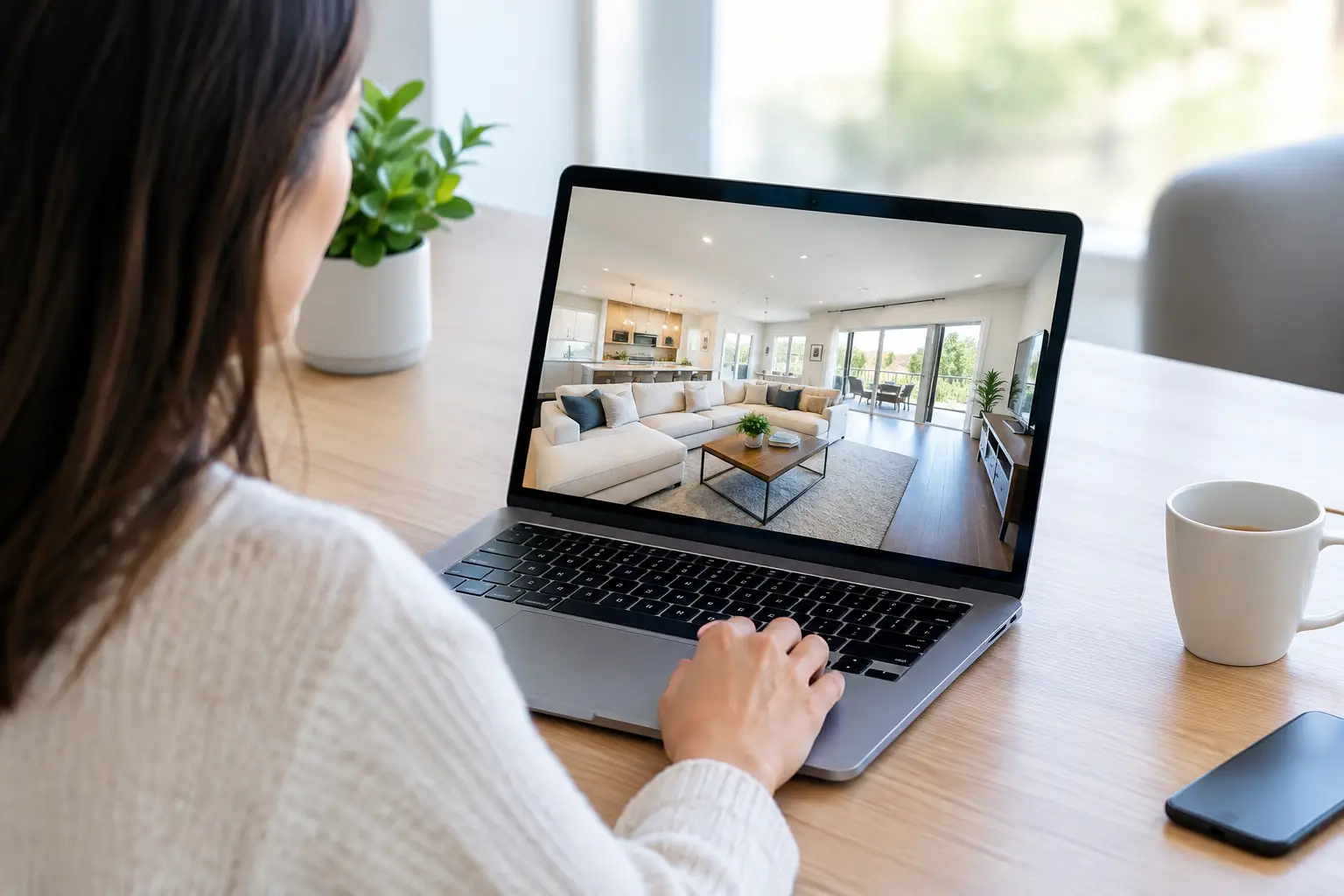

A buyer may be viewing from London, overseas or simply between meetings in Stirling. In each case, virtual viewings can turn an initial spark of interest into an informed decision about whether a property deserves a place at the top of the shortlist. Done well, they do more than save a journey. They give people a credible sense of how a home feels to move through.
For sellers, that matters. The first viewing increasingly happens on a screen, often before a buyer has requested a brochure or spoken to an agent. A thoughtfully produced virtual experience can hold attention, answer early questions and encourage the right people to arrange a personal appointment. It is not a substitute for standing in a room, taking in the light or walking through the garden. It is, however, one of the most useful ways to make those in-person viewings more purposeful.
Why virtual viewings have become part of considered marketing
Property decisions are rarely made quickly, particularly when a home involves a move across the country, a family change or a significant step up in lifestyle. Buyers want to understand proportion, layout and surroundings before committing time to travel. This is especially relevant across Central Scotland, where a search may take in town homes, rural properties and period houses with very different settings and practical considerations.
Professional photography remains essential, but still images tell a selective story. They show a room at its best, while a virtual tour can demonstrate the relationship between spaces: whether the kitchen connects naturally to the garden, how bedrooms sit in relation to living areas, or where a study is positioned for quiet working. It helps a buyer picture everyday life, rather than simply admire individual rooms.
For owners, the benefit is not volume for its own sake. The aim is better-qualified interest. A buyer who has explored the layout carefully is more likely to arrive at a physical viewing with relevant questions and a genuine understanding of what the property offers.
What a good virtual viewing should show
The best virtual viewings are clear, measured and easy to use. They should allow a prospective buyer to progress naturally through the home, with enough freedom to revisit key spaces without becoming disorientated. Quality is important, but polish should never come at the expense of honesty.
A useful tour shows the rooms buyers need to assess, not just the obvious showpieces. That includes hallways, bathrooms, storage areas, utility spaces and the route between inside and out. In a family home, the practicality of a boot room or the position of a cloakroom may matter as much as a beautifully presented drawing room. In a flat, buyers will often want to understand the entrance, communal areas and outlook as well as the accommodation itself.
Scale is another consideration. Wide-angle photography can make a room appear larger than it feels, which is why a virtual tour should be supported by an accurate floorplan and clear property particulars. Together, these elements help a buyer form a more realistic impression of dimensions and flow.
For exceptional homes, the narrative should extend beyond the internal rooms. A generous garden, a terrace with an evening aspect, mature grounds or an outlook towards the Ochil Hills can be central to the appeal. Where appropriate, a carefully filmed exterior sequence gives context that a series of interiors cannot provide. It should communicate the setting without overstating it.
Light, sound and atmosphere still need a personal visit
There are aspects of a home that no screen can fully reproduce. The quality of morning light in a south-facing kitchen, the stillness of a country lane, the ceiling height in a period reception room and the feeling of stepping out onto a balcony all need to be experienced in person.
This is not a weakness of digital marketing. It is a reason to use it properly. A virtual tour should build confidence and curiosity, then make the eventual physical viewing more meaningful. Buyers should regard it as an excellent first inspection, not final due diligence.
How buyers can use virtual viewings well
A tour is most valuable when watched with a purpose. Rather than moving quickly from room to room, pause at the points that relate to your own routine. Consider where coats, prams, bicycles or sports equipment would go. Follow the route from kitchen to dining area. Look at bedroom positions if children, guests or home working are part of the picture.
It also helps to view the floorplan alongside the tour. This will clarify orientation and room dimensions, and may reveal details that are less obvious on screen. If the tour raises questions, make a note before speaking to the selling agent. Asking about parking arrangements, storage, access, garden maintenance or the character of the immediate area is far more useful than waiting until after a viewing.
For relocating buyers, virtual viewings are particularly valuable as part of a staged search. They can help distinguish properties worth a dedicated trip from those that look appealing online but do not suit the required layout or location. A knowledgeable local agent can then add the detail a tour cannot provide, such as the feel of a village, nearby amenities, school catchments or the practicalities of a commute.
That said, be careful not to make a decision on imagery alone. Internet connection, screen size and filming technique can all influence how spaces appear. Where a property is a serious contender, arrange a private viewing and allow enough time to see it properly.
Preparing a home for a virtual viewing
The preparation required is close to that of a photography appointment, but the camera’s movement means small details can become more noticeable. Rooms should be tidy without looking stripped of personality. Surfaces benefit from being clear, but a home should still feel lived in and welcoming.
Lighting needs particular care. Natural light is often the most flattering, though this depends on the room, weather and time of year. In Scotland, where daylight can change quickly, experienced property presentation is about choosing the right conditions rather than relying on heavy editing. Curtains and blinds may be adjusted to show the outlook while avoiding harsh glare, and artificial lighting can be used sympathetically where needed.
Sellers should also think beyond the principal rooms. A virtual journey may take in a vestibule, landing, utility room or garden gate. These areas do not need to be styled, but they should be clean, accessible and representative of the home. If there are features that need explanation, such as a separate annex, shared drive or unusual garden arrangement, clear supporting information is preferable to leaving buyers to guess.
At Halliday Homes, presentation is considered as part of the wider marketing strategy, not as a stand-alone exercise. The appropriate mix of photography, video, virtual viewing and written detail will depend on the property, its audience and how best to communicate its particular strengths.
The balance between digital access and personal service
There is a temptation to treat virtual tours as a fully automated part of the sales process. In reality, they work best alongside responsive, informed communication. A buyer may have watched every section of a tour but still need guidance on the practical character of the location or the next steps involved in arranging a viewing.
For sellers, this is where thoughtful marketing becomes more than a technical feature. A virtual viewing creates an opportunity to reach buyers who may not initially be local, while personal service ensures that interest is handled properly once it arrives. The digital experience should feel as considered as the conversation that follows.
A well-presented home deserves to be seen widely, but it also deserves to be understood. Use virtual viewings to explore with confidence, then take the time to visit the properties that continue to feel right when the screen is switched off.