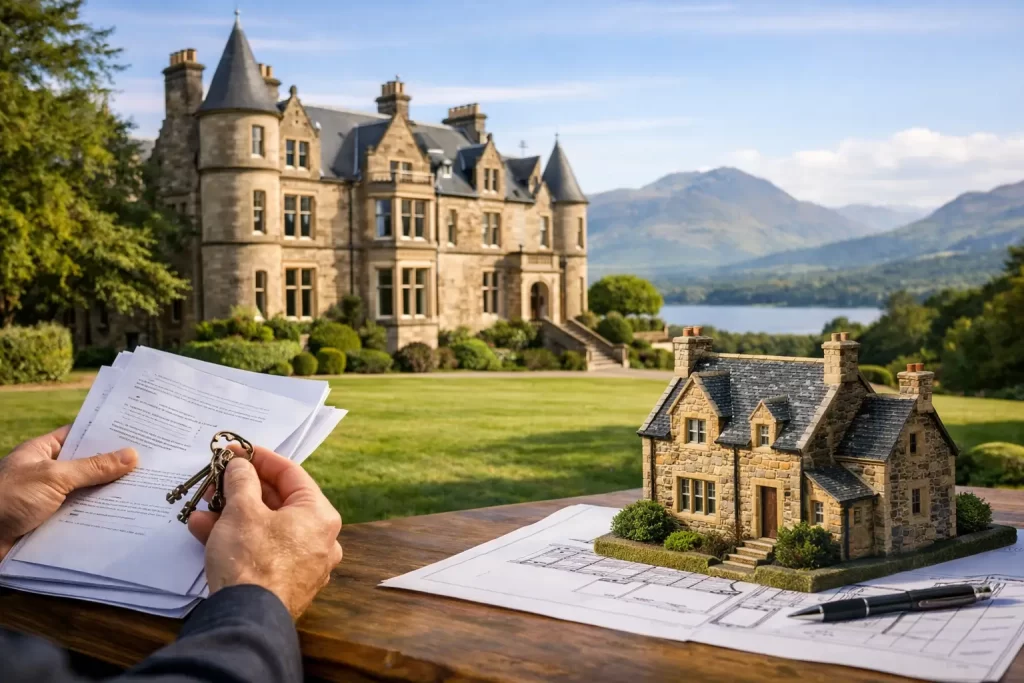


There is a particular appeal to a brand-new home in Stirling. Clean lines, modern efficiency, low maintenance and the chance to be the first to turn a house into a home all carry obvious value. Yet for buyers considering new build homes Stirling has to offer, the decision is rarely just about fresh finishes and a pristine kitchen. It is about choosing the right setting, understanding how a development will mature, and making sure the home works as well in five years as it does on viewing day.
For many buyers in Central Scotland, Stirling occupies a very attractive middle ground. It combines strong transport connections with access to countryside, reputable schooling, an active city centre and a broad mix of neighbourhoods, each with its own character. That matters when buying new build property, because the house itself is only part of the investment. The wider location, the developer’s approach and the quality of the surrounding place will shape both daily life and future value.
Why new build homes in Stirling continue to attract demand
Stirling appeals to a wide range of purchasers, and that breadth supports sustained interest in newer developments. Professional couples are drawn to convenience and energy performance. Families often value practical layouts, manageable gardens and proximity to schools, green space and commuter routes. Downsizers, meanwhile, are increasingly selective. They may want a modern house or high-specification bungalow without the upkeep that often comes with an older period property.
New builds answer many of those needs well. They tend to offer better insulation, more predictable maintenance costs and layouts designed around contemporary living. Open-plan kitchen and family spaces remain popular, but buyers are also paying closer attention to storage, utility rooms, home-working space and parking. A polished brochure can make every plot look ideal, but experienced buyers know the finer details often matter more than the show home styling.
The Stirling market also has a particular advantage. Buyers can often choose between developments with differing surroundings and lifestyles, rather than only differing house types. One setting may suit those who want swift access to the city and motorway network. Another may offer a more village-like atmosphere with a quieter rhythm. That variety gives buyers real choice, but it also means careful comparison is essential.
What to look for when viewing new build homes Stirling offers
A new build should feel straightforward, but buying one can involve more nuance than expected. The headline specification is only one part of the picture. The better question is whether the home has been designed and positioned to hold its appeal over time.
Start with the plot, not just the property. Two identical houses can feel completely different depending on outlook, road position, garden orientation and proximity to open space or future construction phases. South-facing gardens, corner plots and open aspects usually command attention for good reason, but they should still be judged in context. A premium plot can be worthwhile, though not if the price uplift stretches the budget without delivering meaningful lifestyle value.
Then consider the internal layout with honesty. A room labelled as a study may work perfectly for one buyer and prove too small for another. Likewise, an impressive kitchen-dining room may lose some of its appeal if storage is limited or the practical flow is weak. This is where experienced guidance becomes useful. It is easy to be swayed by finishes, but the everyday function of the home matters more.
Parking and access deserve closer scrutiny than they often receive. A detached house with a garage and driveway may appear ideal, but if manoeuvring is awkward or visitor parking is scarce, that can become an irritation quickly. The same applies to bin storage, pavement layout and the relationship between houses. On a site plan, these details can appear minor. In practice, they shape how comfortable the development feels.
The value question – are new builds worth the premium?
This is often the central question, and the answer depends on the buyer’s priorities. New build homes often carry a premium over comparable second-hand property, particularly at launch stage or on the most desirable plots. Some buyers are content with that because they value condition, efficiency and ease. Others focus more closely on square footage, plot size and resale margins.
Neither view is wrong. What matters is understanding what you are paying for. A well-executed new build can reduce near-term maintenance costs substantially. Better EPC performance can ease running costs, and warranties offer reassurance that older homes may not provide. There is also a lifestyle premium attached to moving into a house that requires little immediate work.
That said, not every premium is justified. Buyers should compare specification carefully and ask sensible questions about what is included as standard. Flooring, landscaping, integrated appliances and upgraded finishes can alter the real cost significantly. The advertised price may not reflect the final spend required to make the house fully ready.
Resale should also be part of the conversation. In the early years, some new builds can face competition from later phases in the same development, where fresh incentives may tempt new purchasers. Over a longer horizon, the strongest performers tend to be those in the best positions, within developments that settle well and feel established rather than dense or generic.
Location within Stirling matters as much as the house itself
One of the strengths of Stirling is that buyers are not choosing a single lifestyle. They are choosing between distinct pockets of the wider area, each with its own balance of convenience, prestige, schooling and scenery.
For some, proximity to Bridge of Allan, Dunblane or the university environment will carry weight. For others, straightforward links towards Glasgow, Edinburgh or Perth are more important. Families may place school catchments above all else, while relocators may focus on access to rail services, golf, countryside walking or the general quality of the streetscape.
This is where local knowledge genuinely matters. A development may be marketed under the broader appeal of Stirling, but micro-location can make a substantial difference to how desirable it feels. Road noise, school-run traffic, nearby green space, the pace of development in surrounding land and the eventual character of the neighbourhood all influence long-term satisfaction.
Buyers unfamiliar with the area often underestimate this. A polished new home in the wrong setting can be less rewarding than a slightly less dramatic specification in a stronger location. The right advice helps buyers avoid that imbalance.
Buying off-plan – when it works and when caution is wise
Buying off-plan can be highly attractive. It may allow a buyer to secure a preferred plot early, choose finishes and in some cases benefit from introductory pricing. For those with a clear brief and confidence in the developer, it can be a smart move.
It is not, however, a decision to take lightly. Off-plan purchases rely on plans, schedules and promises rather than a finished streetscape. Timelines can move. Views can feel different once neighbouring phases are completed. What looked generous on paper may feel tighter in reality.
That does not mean off-plan buying is risky by default. It means buyers should proceed with careful due diligence. Reviewing site plans properly, understanding what sits around the plot and clarifying exactly what is included can prevent disappointment later. Where possible, it also helps to assess previous schemes by the same developer. Build quality, finish standards and how earlier developments have matured tell you far more than glossy marketing copy ever will.
A more strategic way to approach the search
Discerning buyers usually benefit from treating the search as a property strategy rather than a series of viewings. That starts with defining the non-negotiables clearly. Budget, commuting needs, schooling, house style, plot preference and timescale all need to be understood at the outset.
From there, the search becomes more disciplined. Instead of reacting to what is available, buyers can compare developments against what genuinely matters to them. This often avoids expensive compromise. It can also uncover opportunities that are not always obvious in the general market, particularly where strong local relationships provide earlier visibility of suitable stock.
For clients seeking a more tailored route, Halliday Homes often finds that the best outcomes come from combining market knowledge with honest advice. Not every new build is the right fit for every buyer, even at the right price. The aim should always be to secure the right house, in the right setting, on the right terms.
Stirling remains one of Central Scotland’s most compelling places to buy, and new build homes can offer an excellent route into the market for those who value quality, comfort and convenience. The key is to look beyond the show home shine. Buy with a clear eye on location, layout and long-term appeal, and a new home in Stirling can feel every bit as rewarding after the keys are handed over as it does on first impression.