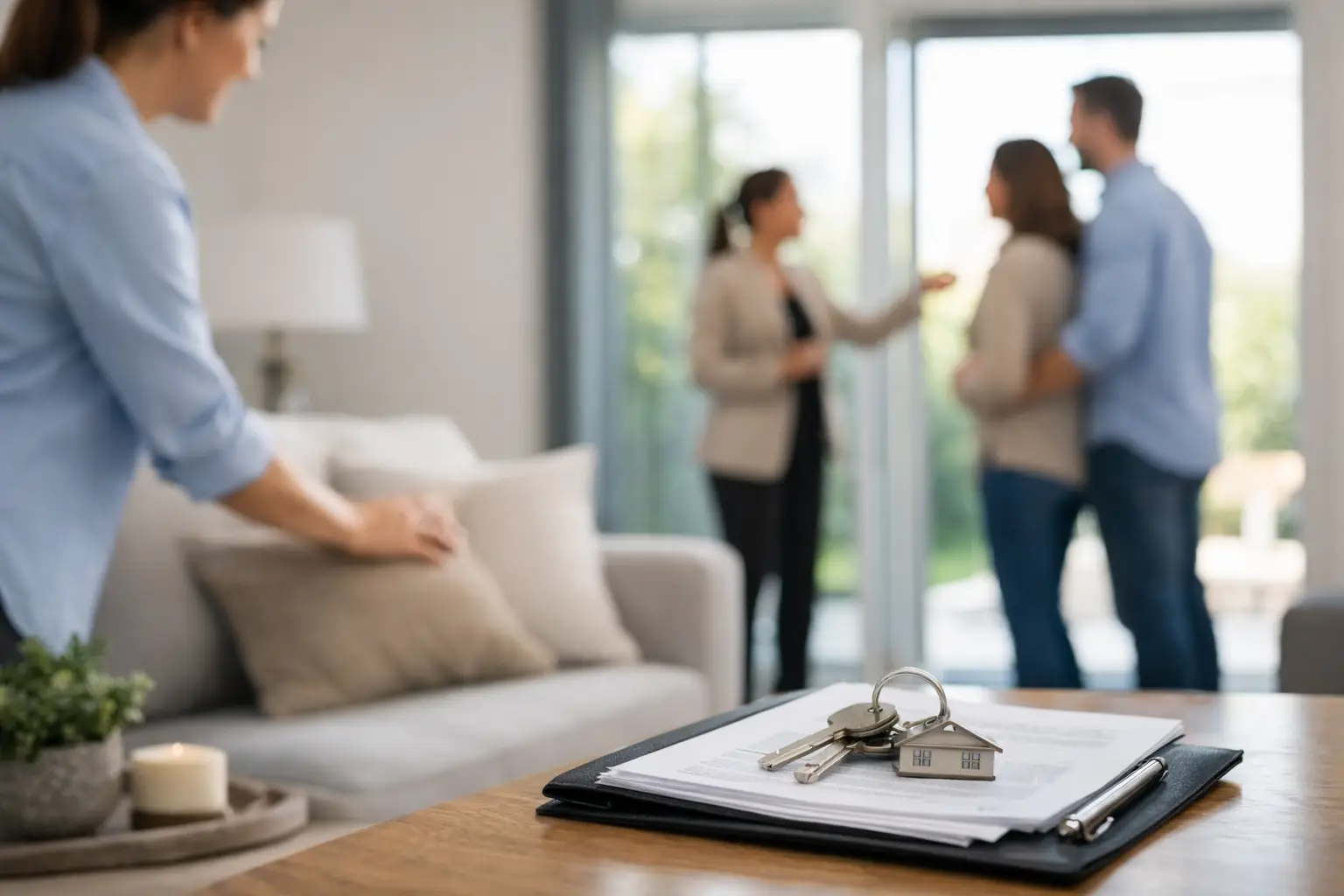

A buyer can decide how they feel about a home within moments of stepping through the door. Long before they notice square footage, storage or recent improvements, they notice light, temperature, scent and whether the property feels carefully looked after. That is why knowing how to prepare home viewings is not simply about tidying up – it is about presenting a home in a way that helps buyers picture their life there.
For sellers in Central Scotland, where presentation standards can significantly influence both interest and offers, viewings deserve the same care as photography, pricing and negotiation. The strongest results tend to come from homes that feel calm, well maintained and easy to understand. Buyers should not have to work hard to see the value.
Why how to prepare home viewings matters
A viewing is not a fact sheet brought to life. It is an experience. Buyers are forming practical judgements, of course, but they are also reacting emotionally. They are asking themselves whether the house feels welcoming, whether the layout makes sense and whether the standard of upkeep matches the asking price.
This is especially relevant in the premium and upper-mid-market, where buyers are often comparing several strong options. If one property feels polished and composed while another feels rushed or overly lived-in, the difference is rarely lost on them. Preparation protects value because it reduces distraction.
There is also a clear trade-off to recognise. A home should feel aspirational, but not artificial. Over-staging can make rooms feel impersonal or smaller than they are. Equally, leaving every sign of daily life on display can make it difficult for viewers to imagine the property as their own. The right balance is thoughtful, not theatrical.
Start with condition, not decoration
When considering how to prepare home viewings, many sellers focus first on cushions, flowers and table settings. Those details can help, but they are secondary. Buyers tend to notice maintenance issues more quickly than styling.
Walk through the property as if you were seeing it for the first time. Look for sticking doors, marked paintwork, cracked sealant, dripping taps and blown light bulbs. These may seem minor in isolation, yet together they create doubt. Buyers often interpret small visible defects as a sign that larger, hidden issues may exist.
Freshening up key areas usually offers better value than undertaking major works before viewings begin. A newly painted hallway, clean grout, repaired handles and smart skirting boards can lift the entire impression of a home. If there is a larger issue you do not wish to address before marketing, that can be managed through clear advice and pricing strategy, but obvious neglect is best avoided.
Create space buyers can read easily
One of the simplest ways to improve a viewing is to make each room feel legible. Buyers should understand immediately how a space is meant to function. If a dining room has become a gym and a spare bedroom is acting as a store cupboard, viewers may focus on confusion rather than potential.
This does not mean stripping a home of personality. It means editing. Remove bulky items that interrupt flow, reduce visual clutter on surfaces and store anything that makes rooms feel overfilled. In family homes, this can be the difference between a house feeling generous and one feeling stretched.
Storage deserves particular attention. Buyers almost always look inside fitted wardrobes, utility cupboards and kitchen units. Packed shelves suggest the property may not have enough storage, even if the opposite is true. Aim to leave cupboards neatly arranged with some breathing room.
Light, warmth and scent shape first impressions
Atmosphere is often underestimated, yet it plays a decisive role in how a viewing feels. Good presentation is not only visual. It is sensory.
Natural light should be maximised wherever possible. Open curtains fully, raise blinds and ensure windows are clean enough to let the light work for you. In darker rooms, switch on lamps and overhead lighting before viewers arrive. A well-lit home feels more spacious, more cared for and more uplifting.
Temperature matters just as much. A chilly home in Scotland can feel uninviting within seconds, while an overly hot one can feel uncomfortable and airless. The aim is a steady, comfortable warmth. In winter months especially, this small detail can change the tone of an entire viewing.
Scent should be subtle. Fresh air is far better than heavy fragrance. Open windows briefly beforehand if needed, particularly after cooking. Strong candles, diffusers or sprays can appear as though they are trying to mask something. Clean laundry, aired rooms and a neutral freshness are usually enough.
Kitchens and bathrooms need a higher standard
Buyers are often most critical in kitchens and bathrooms because these spaces are expensive to replace and easy to judge. They do not need to be brand new, but they should feel immaculate.
Clear worktops as much as possible and keep only a few purposeful items on display. Tea towels, washing-up liquid, bins and pet bowls should be tucked away for viewings. In bathrooms, remove most toiletries, polish mirrors and taps and keep towels fresh, simple and neatly hung.
If there are signs of mould, limescale or tired sealant, deal with them before viewings begin. These details affect confidence disproportionately. A clean, orderly bathroom tells buyers the home has been properly maintained.
The exterior sets the tone before anyone enters
Preparation begins at the front door. Buyers start forming opinions from the pavement, driveway or entrance hall, and that first impression often lingers.
Make sure the approach to the property is tidy and well kept. Sweep paths, remove weeds, clean the front door and put away bins where possible. If the garden is part of the home’s appeal, it should look intentional rather than seasonal and forgotten. Even in colder months, trimmed borders, neat pots and a maintained lawn suggest care.
For flats, communal areas matter too, even when they are not wholly under your control. If there is anything you can reasonably improve before a viewing – lighting at the entrance, a clean doormat, a tidy threshold – it is worth doing.
Think carefully about pets, family life and timing
Occupied homes present a different challenge from empty ones. Buyers understand that people live there, but the smoother the viewing feels, the easier it is for them to focus on the property itself.
Pets should ideally be out of the house during viewings, or at the very least contained discreetly. Even animal lovers may be distracted by noise, odour or the practicalities of living with pet-related wear and tear. Family routines also need planning. A viewing that takes place amid mealtime chaos, loud television or children trying to move around viewers can feel cramped and hurried.
Timing is important. If your home is brightest in the morning, morning viewings may serve it best. If the garden catches evening sun, later appointments may be more effective in spring and summer. This is where experienced guidance matters – every property has strengths, and viewings should be arranged to show them at their best.
How to prepare home viewings when you still live there
Most sellers are preparing viewings while managing work, family and everyday life. That means the process must be realistic. The goal is not perfection at all times, but repeatable readiness.
It helps to create a simple pre-viewing routine. Make beds neatly, clear kitchen surfaces, open curtains, switch on lights where needed and do a quick check of bathrooms and hallways. Keep a basket or cupboard for last-minute clutter so everyday items can be removed quickly without creating stress.
If a property is likely to attract multiple viewings over several weeks, consistency matters. The first buyer should not see a beautifully presented home while later viewers encounter fatigue and disorder. Premium presentation should be sustained throughout the marketing period, not just on day one.
Let the viewing breathe
Once viewers are inside, less is often more. Sellers can understandably feel tempted to explain every improvement, every favourite feature and every practical detail. Yet too much commentary can interrupt the buyer’s own connection with the space.
A well-managed viewing should feel composed, informative and unpressured. Buyers need room to notice proportions, sight lines and natural flow. They also need honesty. If there are aspects of the property that require context, give it clearly and calmly. Confidence is built through transparency, not sales patter.
At Halliday Homes, we often find that the best viewings are those where excellent preparation allows the property to speak for itself. When a home is thoughtfully presented, buyers spend less time filtering out noise and more time imagining a future there.
Preparing well for viewings is ultimately an act of representation. It shows buyers that the home has been valued, looked after and brought to market with care. That impression can carry real weight when interest turns into an offer, and often, it begins with the smallest details done exceptionally well.