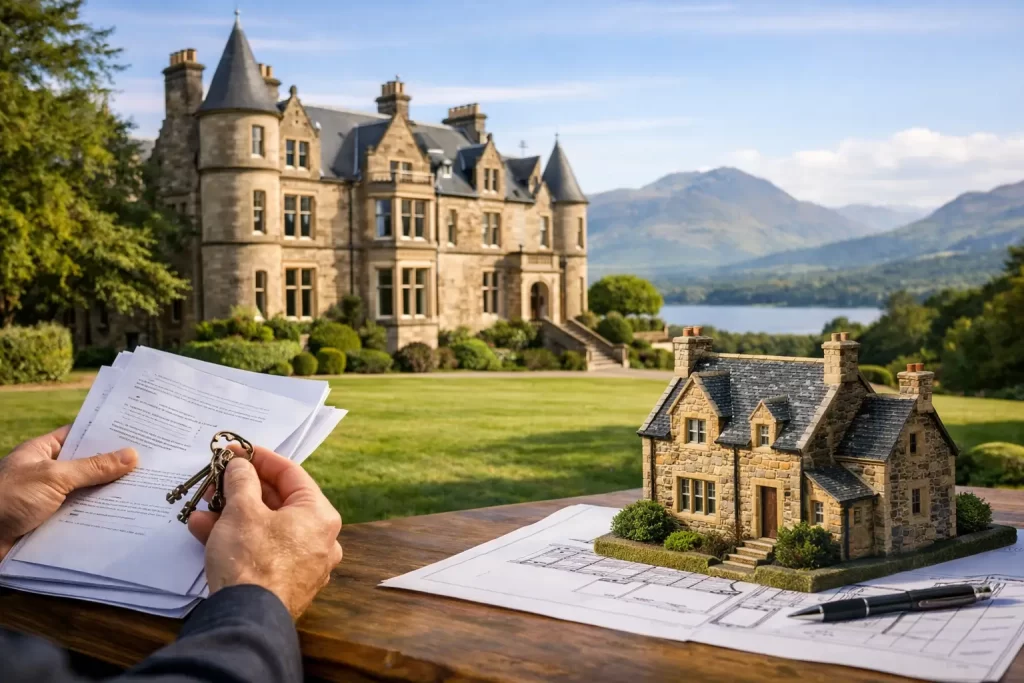


The difference between an ordinary sale and an exceptional one is often decided long before a buyer crosses the threshold. In a guide to selling premium homes, that is the first principle worth keeping in mind. At the upper end of the market, buyers are not simply comparing square footage or postcode. They are weighing quality, atmosphere, privacy, provenance and whether a home feels genuinely worth its asking price.
Premium homes require a more considered strategy because the audience is narrower, expectations are higher and presentation carries far greater commercial weight. A beautiful house can still underperform if it is launched too quickly, priced without precision or marketed in a way that feels generic. Equally, the right approach can create confidence, competition and stronger terms, even in a market where buyers are selective.
Why selling a premium home is different
Selling at this level is rarely about volume. It is about alignment – matching the right home with the right buyer, in the right way, at the right time. That demands more than a listing and a set of photographs. It calls for strong local intelligence, carefully judged pricing and an understanding of what discerning buyers in Central Scotland are truly looking for.
A premium property buyer is often purchasing a lifestyle as much as a residence. Schooling, commuting, privacy, architecture, land, views and the quality of nearby amenities all shape value. In areas such as Bridge of Allan, Linlithgow, Stirling and Auchterarder, the nuances between streets, outlooks and house styles can be significant. Two homes with similar square footage may command very different levels of interest depending on setting, finish and overall feel.
This is where a one-size-fits-all sales process tends to fall short. Premium homes deserve the finest representation because buyers at this level notice every detail.
Pricing with accuracy, not optimism
One of the costliest mistakes in any guide to selling premium homes is overpricing at launch. It is understandable. Sellers are often emotionally invested, and premium properties can be difficult to benchmark neatly. Yet the higher the asking price, the more disciplined buyers tend to be.
If a home comes to market above what the audience considers credible, early momentum can disappear quickly. The property then risks becoming familiar rather than desirable, and price reductions later can weaken negotiating strength. The strongest pricing strategy is usually one grounded in evidence, local comparable sales, live buyer demand and the specific qualities that set the home apart.
That does not mean undervaluing a distinctive property. Exceptional period detail, landscaped grounds, a sought-after school catchment or a recently completed renovation may justify a premium. The key is to build that case convincingly. Buyers will pay for quality when the value is clear.
Presentation is not cosmetic – it is commercial
At the premium end of the market, presentation directly influences perception of value. Buyers assume that if a property has been represented with care, it has likely been owned with care as well. That is why preparation before launch matters so much.
Small shortcomings can feel larger in an aspirational home. A tired paint finish, poor lighting or cluttered rooms can distract from original features, proportions and craftsmanship. The goal is not to strip a home of personality. It is to let the architecture, space and finish speak clearly.
Preparing the home for market
The most effective preparation usually starts with a walk-through from a buyer’s perspective. What is the first impression on arrival? Does the entrance set the right tone? Are the principal rooms easy to read? Is there anything that interrupts the sense of quality?
Often, the most valuable improvements are modest but strategic. Refined décor, careful styling, garden tidying, window cleaning and minor repairs can sharpen the overall impression considerably. In some homes, professional staging is worthwhile. In others, restraint is better. It depends on the property, the likely buyer and how much character already exists in the interiors.
For country houses, detached family homes and architect-designed properties, external presentation matters every bit as much as what happens inside. Driveways, boundaries, planting and outdoor entertaining areas all help shape emotional response before a viewing has properly begun.
Marketing should feel bespoke, not mass produced
A premium home should never look like just another listing. The marketing needs to convey quality, yes, but also confidence and clarity. That means excellent photography, considered copywriting, strong floorplans and, where appropriate, film, drone imagery and targeted digital promotion.
The written narrative matters more than many sellers realise. A premium property description should not rely on exaggerated language. Buyers respond better to specificity. Architectural pedigree, thoughtful renovation, mature grounds, privacy, proximity to transport links or a particularly fine entertaining kitchen all carry weight when described with precision.
The role of discretion
Not every premium home should be marketed in the same way. Some sellers want maximum exposure from day one. Others place a higher value on privacy. For public figures, high-profile families, sensitive relocations or homes with security considerations, a discreet strategy may be the better route.
Off-market or carefully controlled marketing can work well where the buyer pool is already known and the property is likely to attract qualified interest without broad advertising. The trade-off is reach. A more discreet launch can preserve privacy, but it may reduce the possibility of competitive tension if handled too narrowly. The right decision depends on the seller’s priorities.
Viewings are part of the sale itself
At this level, viewings are not simply access arrangements. They are part of the negotiation. A rushed appointment, poor timing or someone reading from a basic property sheet can undermine weeks of good preparation.
Premium buyers expect informed, measured representation. They may ask detailed questions about renovations, warranties, boundaries, broadband speed, planning history or local schooling. They also want space to absorb the property. Good viewing management strikes a careful balance between guidance and discretion.
The best viewings tend to be tailored. A young family may focus on bedroom arrangement, outdoor space and schooling. A downsizer may be more interested in flow, accessibility and ease of maintenance. A relocating buyer may need broader local insight to feel secure in a decision. The more intelligently the viewing is handled, the easier it becomes for a buyer to picture life there.
Negotiation is about more than headline price
A strong offer is not always the highest number on paper. In the premium market, terms can carry significant value. Chain position, proof of funds, desired timescales, inclusions and survey readiness all matter.
This is where experienced negotiation becomes particularly important. A seller may receive an attractive offer from a buyer with a complicated dependent sale, while a slightly lower figure from a proceedable buyer could represent a safer and ultimately more successful transaction. Equally, if there is strong interest, careful negotiation may improve both price and conditions without alienating serious buyers.
The emotional aspect should not be ignored either. Premium homes often have meaning beyond their market value. Sellers may have restored period details, commissioned bespoke joinery or raised a family there for many years. That personal investment can make negotiations feel more charged. Professional handling helps keep decisions commercial and measured.
Timing, market conditions and patience
There is no single perfect moment to sell every premium property. Seasonal trends can influence activity, but local demand, stock levels and buyer confidence often matter more than general assumptions. A standout family house may perform brilliantly in spring, while a lock-up-and-leave townhouse could attract committed buyers at almost any time if supply is limited.
Patience is often necessary, but it should be informed patience. Premium homes can take longer to match with the right buyer because the pool is more selective. That is not the same as saying a property should be left to drift. If viewings are low or feedback is inconsistent, the strategy may need refining – perhaps in pricing, photography, presentation or audience targeting.
The most successful sales processes are active, not passive. They involve constant judgement, clear communication and a willingness to adjust where needed without compromising the property’s position.
A guide to selling premium homes with confidence
The best premium sales rarely happen by accident. They are built through judgement, polish and representation that understands both the property and the person behind it. That is especially true across Central Scotland, where local knowledge can shape everything from pricing confidence to how a home’s setting is presented to the market.
For sellers who want to protect value and manage the process well, the agency relationship matters. You need more than exposure. You need thoughtful advice, honest feedback, elegant marketing and careful stewardship from launch to completion. That is the difference between simply listing a home and presenting it properly.
At Halliday Homes, that level of representation sits at the heart of the service. And for any homeowner considering their next move, it is worth remembering that premium buyers do not just purchase what they see. They respond to how a home is positioned, how it is experienced and how confidently its story is told.
If you are preparing to sell, start earlier than you think, be selective about the strategy, and choose advice that treats your home as an asset to be represented, not just advertised.