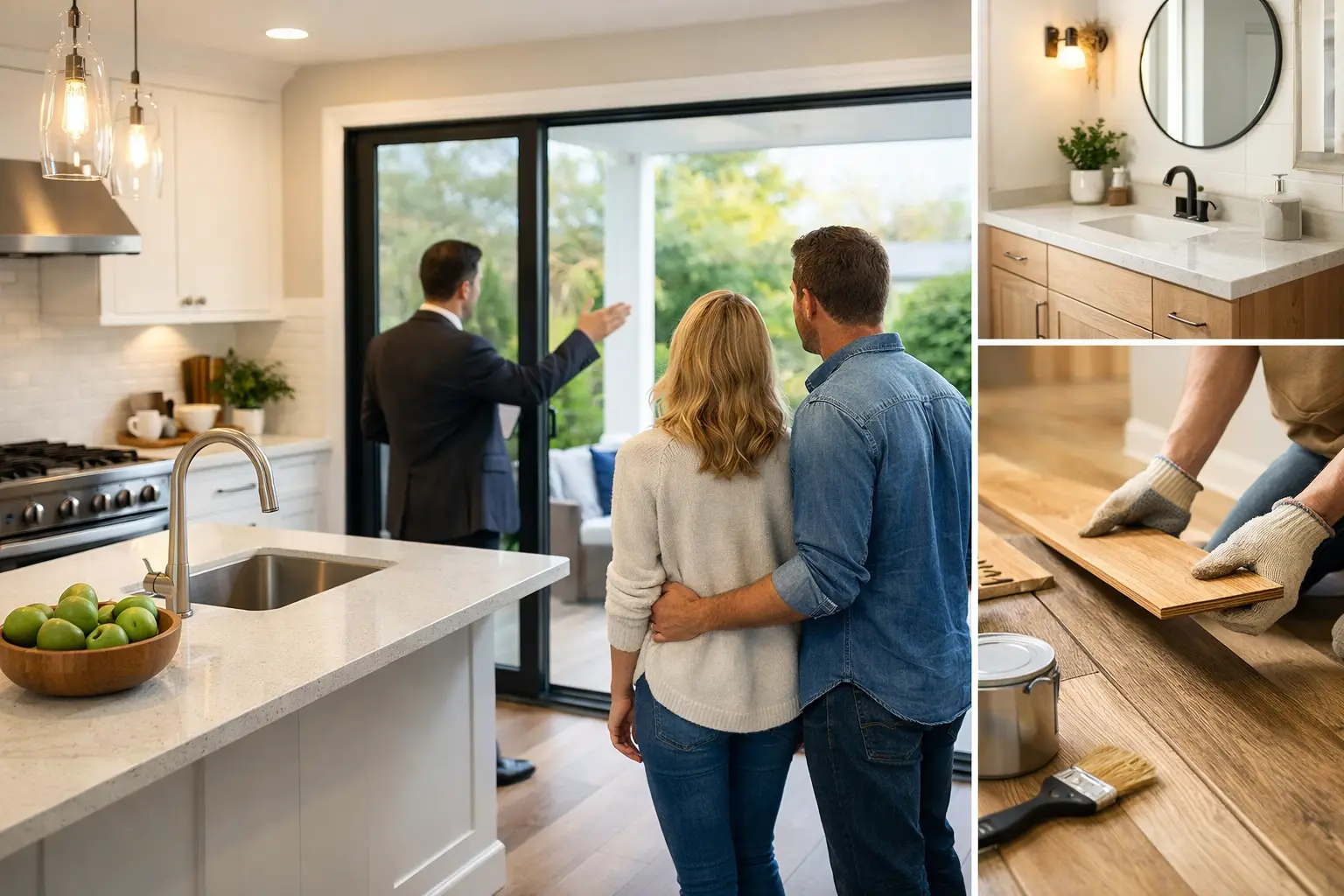

A buyer may fall for a period façade, a generous garden or a beautifully proportioned drawing room within moments of arriving. Yet the decision to offer is often shaped by quieter details: a loose handle, tired grout, an overgrown border or the sense that several jobs await. The best upgrades before selling home are rarely the most expensive. They are the considered improvements that make a property feel cared for, easy to move into and worthy of its asking price.
For sellers across Central Scotland, the right approach is not to renovate for renovation’s sake. It is to invest where presentation, condition and buyer confidence meet. A well-directed budget can strengthen first impressions, support premium marketing and reduce the scope for a buyer to negotiate on perceived defects.
Start with strategy, not a shopping list
Before commissioning work, consider the likely buyer, the property’s price bracket and its strongest features. A family home in Bridge of Allan may benefit from a polished garden, practical storage and an inviting kitchen-dining space. A town centre flat in Stirling may gain more from fresh décor, improved lighting and an immaculate entrance than from a full kitchen replacement.
It also pays to distinguish between necessary repairs and discretionary upgrades. A leaking gutter, ageing sealant around a shower or unreliable boiler is not an opportunity for styling. These are issues that can undermine confidence during viewings and surveys. Addressing them first protects the impression that the home has been responsibly maintained.
A professional valuation can bring useful perspective here. It helps establish which improvements are likely to be recognised in the market, and which may simply reflect personal taste. The objective is a home that feels complete, not a project that overshoots its local ceiling price.
Refresh the kitchen without overcapitalising
Kitchens remain influential because buyers instinctively imagine daily life there. However, a costly replacement is not always one of the best upgrades before selling home. If the layout works and the cabinetry is sound, a targeted refresh can achieve far more proportionate results.
Replacing dated handles, renewing worn worktops, updating a tired tap and improving task lighting can make an established kitchen feel considerably more current. Regrouting splashbacks, repairing damaged plinths and ensuring integrated appliances are clean and functional matter just as much. Keep finishes restrained and enduring – warm neutrals, natural textures and classic hardware usually appeal more widely than a highly distinctive scheme.
Where a kitchen is visibly beyond repair, a replacement may be justified, particularly in a higher-value home where buyers expect a certain standard. Even then, choose quality and coherence over novelty. Buyers should see a kitchen that belongs to the house, rather than one installed solely for the sale.
Make bathrooms feel immaculate
Bathrooms are assessed quickly and closely. They do not need to resemble a boutique hotel, but they must feel clean, dry, bright and well maintained. Old silicone, cracked tiles, poor extraction or a dripping tap can make a room appear more expensive to remedy than it really is.
A new mirror, contemporary light fitting, fresh towels and carefully chosen accessories can lift the space, while renewed sealant and crisp paint create a far more convincing impression of care. If the suite is dated but in good condition, do not assume it needs to go. A calm palette and excellent presentation can soften age far more effectively than an inexpensive, poorly fitted replacement.
For properties with only one bathroom, make sure it is working flawlessly before launch. Buyers will be particularly alert to practicalities in busy family homes, and any uncertainty can quickly become a reason to hesitate.
Prioritise light, paint and proportion
Few investments are as reliable as thoughtful decorating. Fresh paint gives rooms clarity in photographs and during viewings, while also allowing buyers to focus on scale, light and architectural detail. The aim is not to remove all personality. It is to create a composed backdrop in which the home’s best qualities can be appreciated.
Choose soft, sophisticated shades that suit the natural light. Off-whites, gentle greys, muted greens and warm stone tones tend to photograph well and complement both traditional and contemporary Scottish homes. Test colours in the room itself, particularly where there are north-facing windows or strong afternoon sun.
Pay attention to the details that frame a room: marked skirting boards, yellowed sockets, damaged cornicing and tired internal doors. Repairing and repainting these elements creates a finished effect. If curtains are heavy or obscure attractive windows, consider replacing them with lighter treatments that preserve privacy without sacrificing daylight.
Improve kerb appeal and the route to the front door
The sale begins before a viewer enters. A neglected approach can quietly lower expectations, while a smart exterior signals that the property has been cherished. This is especially significant for detached homes, period properties and village addresses, where the setting forms part of the appeal.
Start with the essentials. Clear gutters, repair loose paving, remove weeds, wash windows and make sure the front door, letterbox and house number are in excellent order. A freshly painted door in a considered colour can have remarkable impact, provided it suits the property’s character.
Gardens should look manageable rather than overly styled. Mow the lawn, define borders, prune back growth that blocks windows and remove tired pots or broken furniture. If there is a terrace, deck or balcony, help buyers picture themselves using it with a simple, well-kept seating arrangement. In Scotland, outdoor space still carries real value, even if viewings take place in less forgiving weather.
Upgrade efficiency where the evidence is clear
Energy performance is increasingly part of the conversation, but not every efficiency project will repay its full cost at sale. Major works such as replacement windows, solar panels or a new heating system deserve careful consideration, particularly if the existing installations are serviceable and the property is likely to sell quickly.
That said, visible and practical improvements can be persuasive. Servicing the boiler, resolving draughts, insulating an accessible loft and ensuring heating controls work properly are sensible measures. Have relevant paperwork available. Buyers value evidence, especially where a home is older, listed or built with traditional materials.
If you are considering more substantial work, assess the likely return through the lens of the local market. An improvement that is compelling in a long-term family home may be less relevant to a buyer seeking a lock-up-and-leave property. Clear advice before committing funds is invaluable.
Remove the friction that creates negotiation
Some of the most valuable pre-sale work is unglamorous. Sticking windows, squeaking floorboards, blown light bulbs, chipped tiles and faulty door latches all suggest a longer maintenance list. Individually, they may be minor. Collectively, they can give a buyer permission to question the asking price.
Walk through the house as if you were seeing it for the first time. Open every door, switch on every light, run taps, inspect ceilings and look closely at the areas around windows, showers and radiators. Complete the small repairs before photography, not after the first viewing request.
Decluttering is part of this process, but it should not make the home feel vacant. Edit surfaces, cupboards and wardrobes so that storage is evident. Retain enough furniture to define each room’s purpose and scale. A study should read as a study, and a box room should be presented honestly, perhaps as a nursery, dressing room or home office where appropriate.
Spend where buyers can see and feel the difference
The strongest upgrades are those that make the home feel ready, coherent and confidently presented. They support the value already within the property rather than attempting to manufacture a different one. For most sellers, that means excellent repair work, fresh decoration, an immaculate kitchen and bathroom, stronger kerb appeal and careful styling.
There are exceptions. A beautifully designed extension, a reconfigured layout or a high-quality kitchen may be exactly what a particular home requires. But the decision should follow a clear assessment of buyer expectations, not the understandable temptation to finish every improvement you once planned for yourself.
A home prepared with care gives buyers fewer reasons to pause and more reasons to picture their future there. That is where thoughtful pre-sale investment earns its place: not in the amount spent, but in the confidence it creates when the right buyer walks through the door.