

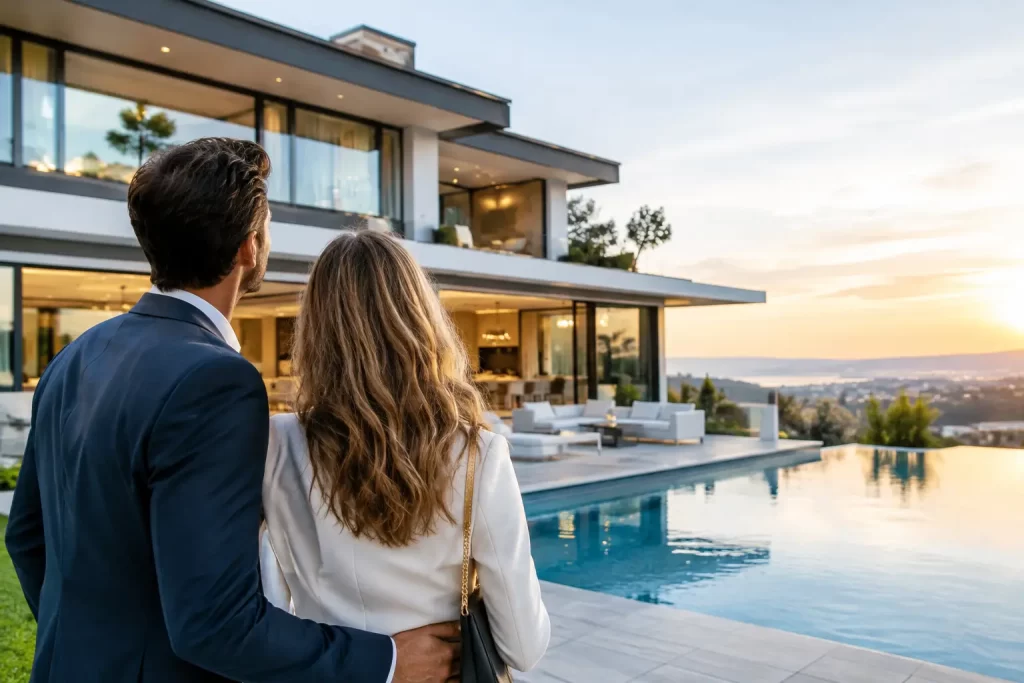
A beautiful drawing room may capture attention, but it is rarely what secures a premium sale. Buyers at the upper end of the market are looking beyond impressive finishes to ask a more revealing question: how will this house make everyday life better? The top features luxury home buyers want are increasingly those that combine ease, adaptability, privacy and a strong sense of place.
For sellers, this shift matters. A property does not need every fashionable extra to feel exceptional. It does need to present a coherent lifestyle, with spaces that work well, details that have been properly considered and a setting that feels difficult to replicate.
Space that works hard, not simply looks large
Square footage remains important, yet the most successful premium homes are defined by how intelligently that space is arranged. Buyers want generous rooms, certainly, but they are alert to wasted corridors, formal spaces that are rarely used and bedrooms that feel detached from the rhythm of family life.
A kitchen, dining and living area remains central to many searches, particularly when it opens naturally onto a terrace or garden. The appeal is not an open-plan layout at any cost. A vast room without comfortable zones can feel exposed and noisy. What buyers often value most is a sociable heart to the house, balanced by a separate sitting room, snug or drawing room where people can close the door and retreat.
In Central Scotland, this balance is especially relevant. A bright garden room or well-designed extension can make the most of long summer evenings, while a more intimate reception room with a stove or fireplace offers genuine appeal through the darker months. The best homes acknowledge the seasons rather than presenting a single, staged version of life.
Flexible rooms are now part of the brief
A dedicated study is no longer a useful bonus. For many buyers, it is an expectation. Some need two workspaces; others want a studio, library, gym, playroom or quiet room for visiting family. A well-proportioned spare bedroom can add value, but a clearly defined workspace with good natural light, sensible storage and reliable connectivity may be more persuasive.
Flexibility is particularly valuable in period homes, where elegant original rooms can coexist with later additions. A buyer may be drawn to the character of a Victorian villa in Bridge of Allan or Dunblane, for example, but will still expect the home to support modern working patterns. When marketing a property, it helps to show how each room can be used now, without limiting a buyer’s imagination for the future.
Privacy, security and a feeling of calm
At the premium end of the market, privacy is not necessarily about gates, high walls or isolation. It is about being able to enjoy a home and garden without feeling overlooked, overlooked by traffic or exposed to neighbouring properties.
A considered approach, mature planting, a private rear garden and well-positioned outdoor seating can materially change a buyer’s response to a property. Rural buyers may place particular value on land, outlook and distance from neighbours, while those purchasing in towns such as Stirling, Linlithgow or South Queensferry may prioritise a discreet garden, secure parking and a peaceful position within easy reach of amenities.
Security should feel proportionate to the property. Alarm systems, exterior lighting, secure access and integrated cameras can reassure, but buyers do not want a home that feels fortified. Discreet, well-maintained measures tend to make the strongest impression. So does the simple evidence of a well-cared-for house: sound gates, working locks, tidy boundaries and a driveway that is practical in all weather.
The luxury features home buyers want outdoors
Outdoor space has become an extension of the home rather than a view from the kitchen window. Buyers respond to gardens that are usable, not merely sizeable. A level lawn for children, a sheltered dining area, a terrace that catches the evening light or a well-kept kitchen garden all help a buyer picture a life there.
The most appealing outdoor spaces feel established but manageable. A large garden can be a major draw, particularly in villages and rural locations, but it also brings maintenance, cost and time commitments. Sellers should be realistic about this. A beautifully presented garden with clear areas for relaxation, entertaining and play will often resonate more strongly than acreage with no obvious purpose.
Practical features are also increasingly noticed: useful outbuildings, a potting shed, secure storage, a garage with power, an electric vehicle charging point or a well-designed boot room entrance. In Scotland, a proper utility room and a place to leave coats, boots and dogs after a wet walk can be as valuable to day-to-day living as a statement island unit.
Efficient homes with character
Luxury buyers expect quality, but they are paying closer attention to running costs, comfort and the condition of major systems. A home that is draughty, difficult to heat or dependent on ageing equipment can create hesitation, even where the architecture and location are outstanding.
Energy efficiency is most compelling when it supports comfort without compromising character. Well-maintained sash and case windows, sympathetically upgraded insulation, modern heating controls, underfloor heating in the right spaces and effective ventilation can all be meaningful selling points. The approach will depend on the house. A contemporary home and a listed stone property require different solutions, and buyers understand that perfection is not always possible or desirable.
Clear information is valuable. Recent boiler servicing, electrical upgrades, roof maintenance and details of insulation or renewable technology help buyers assess a property with confidence. They also signal thoughtful ownership. This is not about making sweeping claims on efficiency; it is about demonstrating that the home has been cared for with the same attention given to its appearance.
Technology that disappears into the background
Smart-home technology is most attractive when it is intuitive. Buyers may appreciate app-controlled heating, automated lighting, integrated audio, security systems and strong broadband provision, but few want a home that requires a manual to operate.
Reliable connectivity is now fundamental, especially for households with hybrid working, streaming and connected security. In more rural settings, this can be an important point of distinction. Sellers should establish the available broadband and mobile provision rather than assuming a buyer will take it on trust.
Technology also needs to be transferable. If systems are controlled by personal accounts or specialist subscriptions, clarity around handover matters. A simple, well-documented arrangement is more reassuring than an impressive installation that appears difficult to manage.
Kitchens and bathrooms still shape first impressions
These rooms remain influential because they are costly and disruptive to replace. Buyers want kitchens with excellent storage, durable materials, well-planned lighting and appliances that suit the scale of the home. A beautiful kitchen should also function when several people are cooking, hosting or preparing for the school run.
Bathrooms are judged by finish and feel. Underfloor heating, good water pressure, natural light and a calm palette have broad appeal. En suites are valued, though a house with too many small or compromised bathrooms can be less appealing than one with fewer, generous and well-designed spaces.
The key is quality over novelty. A kitchen installed ten years ago may still perform extremely well if it has been maintained and its design remains considered. Equally, a newly fitted room will not compensate for poor layout or materials that feel insubstantial.
A setting with lasting appeal
Ultimately, the feature that cannot be added later is the setting. A striking outlook, a respected address, walkable access to a town centre, proximity to schools, transport links, river walks, golf or open countryside can shape a buyer’s decision before they have crossed the threshold.
For relocating buyers, local context is often as important as the house itself. They may be looking for an easy Edinburgh or Glasgow commute, a strong community, access to outdoor pursuits or a village with everyday amenities. Good marketing should explain these advantages with precision, not broad promises. A five-minute walk to a station, a quiet street behind a busy centre, or a view protected by the lie of the land are details that help a property stand apart.
Exceptional homes are rarely defined by one headline feature. They earn interest through the way location, architecture, condition and lifestyle fit together. For owners preparing to sell, the most useful question is not whether a property has every item on a luxury wish list, but which of its qualities will make the right buyer feel immediately at home.